Around 200 chocolate-brown bison raise their heads, following the low growl of a pickup truck slowly motoring across the sagebrush-studded prairie.
Snorting and quietly bellowing, their feral odors riding the wind, they slowly trot across the prairie hills, eager to maintain distance from the truck.
This knot of bison — colloquially referred to as buffalo, though they are not the same species — is part of a project to rebuild a vast shortgrass prairie not only to return large numbers of bison here, but also to eventually restore the complex and productive grassland ecosystem the animals once engineered with their churning hooves, waste, grazing and even carcasses.
“When you have large numbers on the landscape, they impact everything,” Scott Heidebrink, the director of bison restoration for American Prairie, a nonprofit conservation group, said of the animals. “There are ways that bison were impacting the landscape that we haven’t even thought about.”
Related Articles
CERES GEN6 Recognised in the 2026 Australian Good Design Awards

CERES TAG and Acies Agricultural Risks Announce Collaboration to Connect Livestock Intelligence with Risk Management
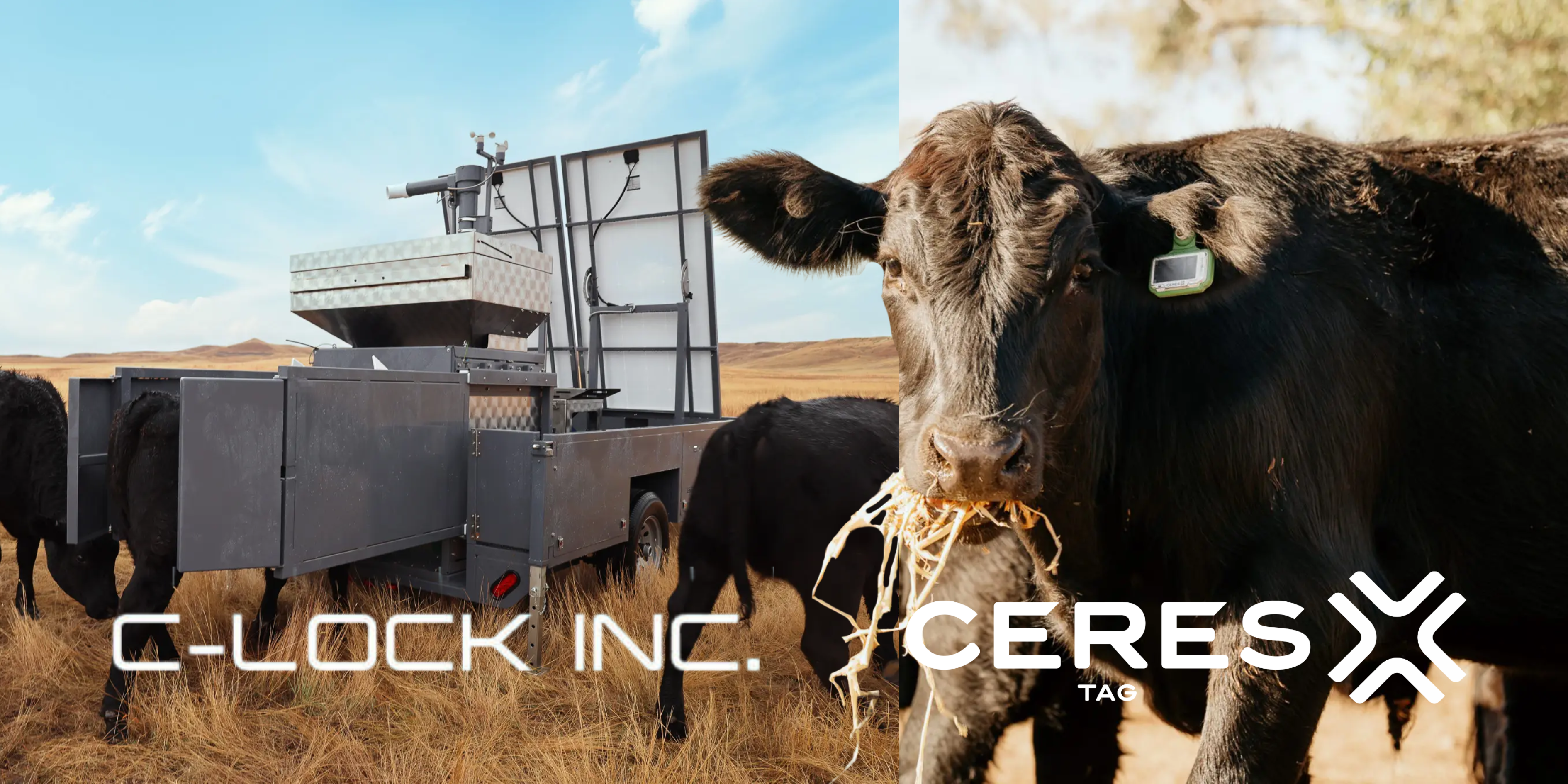
CERES TAG and C-Lock Partner to Deliver End-to-End Feed Efficiency Insights for Livestock Producers