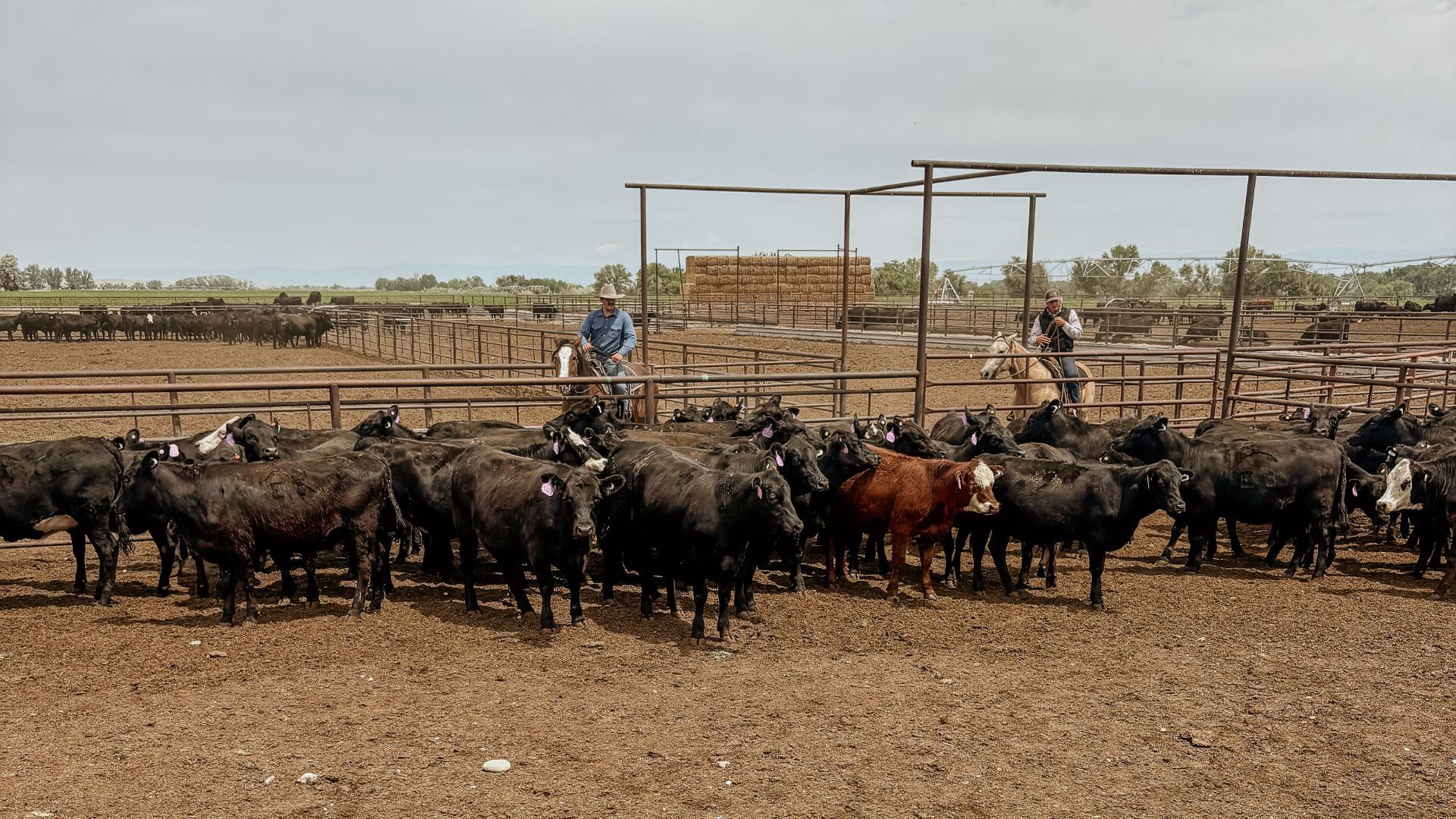
The global cattle population has been estimated at over 1.5 billion heads, with the largest concentrations found in India, Brazil, the United States of America (USA), China, and Ethiopia. Together, these five countries represent more than 40% of the total population, each with distinct production systems. Brazil, India, and Ethiopia primarily rely on extensive grazing systems, while the USA and China incorporate more intensive feedlot operations. Australia, ranked as the 14th largest cattle producer with approximately 24.3 million heads, represents a hybrid approach, with about half of the beef production coming from grain-fed systems. However, in all of these regions, breeding herds (primarily the females) are typically maintained on grazing lands, where implementing the delivery of methane-reducing feed additives poses unique challenges due to remoteness and animal behaviour.
Related Articles
Lightweight on-animal behavior classification and estrus detection in grazing cattle via ear-tag accelerometers
CERES TAG included in Swiss National Traceability Program
Tracking the Epidemic – Satellites watch over the spread of the Texas screwworm outbreak